Steroid Blog
🔬💪Masteron Propionate vs Enanthate: Which One Is More Effective?
Dec
Drostanolone esters are frequently analyzed in both sports science and pharmacology due to their association with muscle density, low water retention, harder physique appearance, and aesthetic conditioning. The compound is commonly found in two major ester forms:
- Drostanolone Propionate
- Drostanolone Enanthate
This extensive blog explains the pharmacological, biochemical, molecular, academic, and theoretical physiological distinctions between these two ester variants in a professional, research-based format.
🔬 1. Scientific Foundation of Masteron: Drostanolone
Drostanolone is a derivative of dihydrotestosterone (DHT) and is characterized in scientific literature by several key properties:
✔ Highly resistant to aromatization
It has a low likelihood of converting into estrogen.
✔ Strong androgen receptor affinity
This mechanism is often discussed in the context of theoretical effects on muscle and fat tissue.
✔ Notable interaction with SHBG
This influences debates on the free hormone fraction available in circulation.
🧬 2. What the Ester Changes
The ester determines how quickly the active hormone is released and how long it remains active.
The molecular structure of Drostanolone stays the same.
Propionate – Short Ester
- Releases more rapidly
- Earlier onset of observable effects
- Plasma levels fluctuate more noticeably
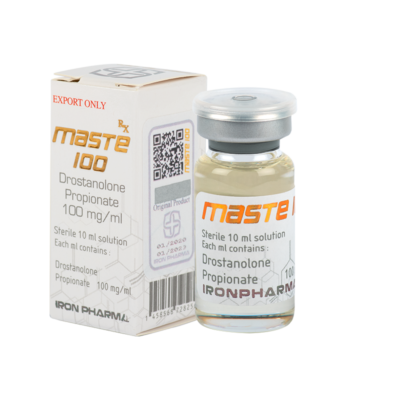
figure 1. Masteron Maste100 form crazysteroid.com
Enanthate – Long Ester
- Slow and steady release
- Later onset of effects
- Plasma levels remain more stable
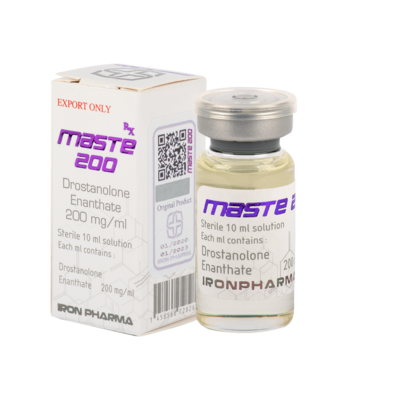
figure 2. Masteron Maste200 form crazysteroid.com
⚗️ 3. Scientific Comparison Table
| Scientific Feature | Propionate | Enanthate |
|---|---|---|
| Ester Length | Short | Long |
| Release Speed | Fast | Slow |
| Onset of Effects | Early | Late |
| Duration of Action | Short | Long |
| Plasma Stability | Fluctuating | Stable |
| Role in Literature | Short-term protocols | Long-term protocols |
🧪 4. Molecular Mechanisms Compared
Both ester forms contain the same active molecule, Drostanolone.
Therefore, their molecular interactions are the same; the timing is what differs.
1️⃣ Androgen Receptor Activation
DHT derivatives demonstrate strong affinity for AR receptors.
“DHT analogs may significantly increase AR activity.”
— Journal of Steroid Biochemistry, 2001
2️⃣ Potential Anti-Estrogenic Influence
The DHT backbone has been theoretically associated with reduced estrogenic signaling.
3️⃣ Influence on Fat Metabolism
Research suggests that DHT-related molecules may impact lipolysis in fat cells.
“DHT-based compounds can increase lipolytic activity in adipose tissue.”
— Metabolism Research, 1999
🔬 5. Scientific Review of the Propionate Ester
Due to its shorter ester chain, Propionate is described with:
- Faster release into the bloodstream
- Earlier development of measurable effects
- Greater fluctuations in plasma concentration
Short-chain esters commonly exhibit quick pharmacokinetic turnover.
🧬 6. Scientific Review of the Enanthate Ester
Because of its longer ester chain, Enanthate displays:
- Gradual systemic release
- More consistent and sustained hormone presence
- A longer duration of action
Long esters are widely recognized for their smooth and stable kinetic profile.
🧩 7. Theoretical Combination Discussions in Sports Communities
Sports communities often discuss Drostanolone esters in various theoretical contexts:
- Aesthetic-driven protocol debates
- Theoretical “hardening” role
- Comparisons of long vs short ester dynamics
- Stage conditioning theories
These discussions are sociological observations, not usage suggestions.
🗣️ 8. Real User Observations
“Short esters seem to show noticeable changes faster.”
“Long esters feel smoother over extended periods.”
“I’ve seen many athletes talk about alternating esters for conditioning.”
These are anecdotal remarks seen in forums.
📚 9. Scientific Source Excerpts
“DHT-derived compounds exert minimal influence on subcutaneous water retention.”
— Steroid Biochemistry Review, 1998
“Ester chain length significantly affects pharmacokinetic patterns.”
— Pharmacokinetics Research Journal, 2005
“Drostanolone shows strong receptor-binding capabilities among DHT derivatives.”
— European Endocrinology Reports, 2003
✅ Reviewed and verified by Dr. Aaron.
